
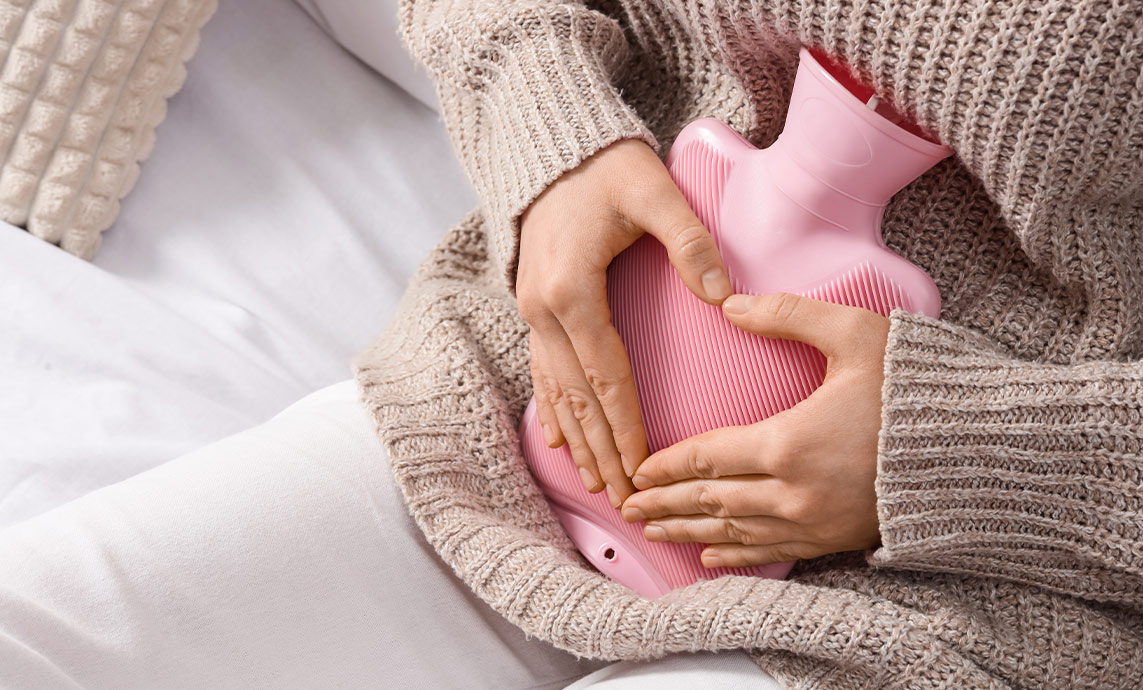
Experiencing cramps but no period? Learn about phantom periods, 7 common sources (from stress to hormones), and tips to help manage ghost period symptoms.
If you’ve ever caught yourself worrying, “Why do I have cramps but no period?” — take a deep breath. Period cramps but no period can be a nerve-wracking experience when you don’t know what’s happening. While confusing, having menstrual cramps but no period is actually more common than you’d think. The phenomenon has even been given a name – phantom periods (also faulty periods or ghost periods).
There are many reasons you might experience a ghost period for a cycle, including stress, digestive issues, and more. In this article, we’ll walk through what ghost periods are, 7 common causes of phantom periods, and when you might want to check in with your doctor.
What is a phantom period?
A phantom period (or ghost period) is when you experience typical period symptoms like cramping, bloating, and mood changes – just without any actual menstrual bleeding. Your body goes through the motions of preparing for a period, but for whatever reason, the uterine lining doesn’t shed.
Are phantom periods normal?
First things first – yes, phantom periods can be normal. Many women experience them from time to time. In one-off cases, they’re not a cause for concern. Our menstrual cycles involve a complex dance of hormones that can sometimes get a little off-beat without indicating any serious problems.
However, if you’re regularly experiencing cramps but no period or your symptoms are severe – it might be worth talking to your doctor. While phantom periods themselves aren’t dangerous, they can be a sign that something else is going on in your body.
What causes a ghost period: 7 fundamental reasons
#1 Stress
When you’re under significant stress, your body produces more of the hormone cortisol. This can throw the rest of your hormones out of balance and lead to period symptoms without bleeding. Anxiety and depression can similarly mess with your hormones. In these more mentally exhaustive moments, your body might prioritize managing that stress over reproductive functions, affecting menstruation.
#2 Hormone imbalances
Our menstrual cycles rely on a delicate balance of estrogen and progesterone. When these get disrupted, it can affect cycle stages and lead to period-like symptoms without bleeding. Also, thyroid conditions – both an underactive and overactive thyroid – can interfere with your normal hormone levels and lead to irregular periods or phantom periods.
#3 No ovulation (anovulation)
Sometimes, your body can go through your entire cycle but fail to release an egg – this is called anovulation. Without ovulation, the usual hormones that help shed the uterine lining might not be released properly. So, you might still experience the cramps and pain associated with your period but without bleeding.
#4 Health conditions
When the body is sick, it diverts energy from “nonessential” activities (like menstruation) to help the body heal faster. Some conditions can also throw our hormones out of whack, further complicating your cycle.
Here’s a quick list of conditions that can cause PMS-lookalike symptoms like cramping but without menstrual bleeding (among other symptoms):
- Ovarian cysts
- Endometriosis
- Ovarian cancer
- Pelvic inflammatory disease (PID)
- PCOS (Polycystic Ovary Syndrome)
*Dealing with these conditions on top of phantom period symptoms can be especially frustrating. Remember that your experiences are valid, even if there’s no visible bleeding to ‘prove’ your discomfort.
#5 Digestive issues
IBS (Irritable Bowel Syndrome): This digestive disorder can lead to bloating, changes in bowel movements, and cramping, similar to period cramps.
IBD (Inflammatory Bowel Disease): IBD conditions like ulcerative colitis and Crohn’s disease can prompt abdominal pain that’s similar to period cramps.
Indigestion and food intolerances: Even something as simple as indigestion or food intolerance (like lactose intolerance) can cause cramping that feels like period pain.
#6 Pregnancy
Early pregnancy can cause cramps similar to period cramps when a fertilized egg implants in your uterine lining. If you’re sexually active and experiencing period symptoms without bleeding, it could be wise to try a pregnancy test. In rare cases, one-sided cramping without bleeding can signal an ectopic pregnancy, which is a medical emergency requiring immediate attention.
#7 Perimenopause
As you approach menopause – when your body begins winding down from child-bearing years – hormones like estrogen and progesterone can fluctuate dramatically from month to month. These unpredictable shifts can cause your body to display all the usual signs of menstruation without prompting your uterine lining to shed. Menopause frequently causes phantom periods along with other symptoms like hot flashes, sleep disturbances, and mood changes.
Phantom period symptoms
Ghost period symptoms closely mirror those of a normal period, just without the bleeding. Like with PMS, you might experience:
- Abdominal cramps and pain that feels like menstrual cramps
- Breast tenderness and swelling
- Bloating and water retention
- Mood changes, irritability, or emotional sensitivity
- Food cravings (especially for chocolate or salty foods)
- Fatigue or unusual energy levels
- Headaches or migraines
- Lower back pain
- Acne breakouts, particularly around the chin or jawline
- Sleep disturbances
How long do phantom periods last?
Phantom periods typically last about as long as your regular period – between 3-7 days. However, this can vary depending on what’s causing your symptoms. If stress is behind your ghost period, the symptoms might persist until your stress levels decrease. If a more serious condition is the source of your symptoms, these irregular “faulty” periods may occur more frequently.
6 Tips for dealing with phantom periods
If you’re experiencing a ghost period, here are some ways to find relief:
Medical support: Your doctor can help develop a tailored plan to support any underlying medical conditions and help manage uncomfortable symptoms.
Use heat: A heating pad or warm bath could help relieve cramps and make you more comfortable.
Stay hydrated + eat well: Drinking enough water (at least 8 cups a day) and eating a whole-food, balanced diet can help reduce bloating and other symptoms.
Prioritize stress relief: Stress is a common trigger for phantom periods, so finding healthy ways to manage it is key. Try meditation, yoga, or simply taking 5-10 minutes to relax every day.
Track your symptoms: Keep a journal of when you experience phantom period symptoms, what they feel like, and how long they last. This information can be helpful if you decide to talk to your doctor.
Over-the-counter pain relievers: Nonsteroidal anti-inflammatory drugs (NSAIDs) like ibuprofen may help relieve cramping and pain.


