
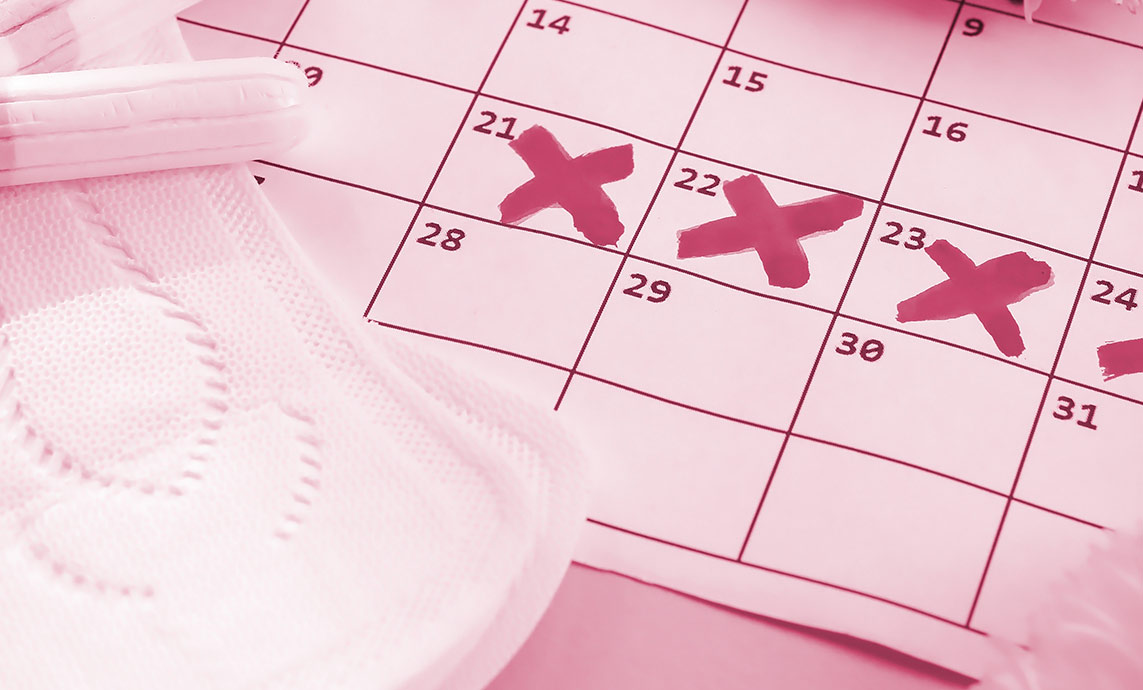
Fun fact: irregular periods can be totally healthy! Explore 9 natural causes of irregular periods, from hormones to daily habits.
Here’s something we don’t talk about enough: periods rarely stick to a perfect schedule. While many of us grow up hearing that a menstrual period should come exactly 28 days from the first day of your last period, the answer to “How long do periods last?” is actually a highly individual one. Your body has its own unique, one-of-a-kind rhythm. Some cycles might be as short as 21 days, while others could stretch to 35 days – and both can be healthy and normal!
(That’s why we designed Pinkie’s Prep Pouch with multiple pad sizes and absorbencies – because your cycle deserves care in sync with your rhythms.)
In this article, we’ll explore 9 reasons your cycle’s timing might naturally shift and change. We hope these insights help you feel more confident and at ease with your body’s unique flow!
1. Finding your rhythm (the first 2 years)
Your first couple years with periods are a lot like learning to dance – it takes time to figure out the moves and find your groove! During this time, irregular bleeding is normal. Your body is figuring out how to balance hormones like estrogen and progesterone; each cycle helps it learn the steps better. Even the number of days between releasing an egg and the first day of your period can vary as your body finds its rhythm.
2. Natural hormonal fluctuations
Every month, your body goes through an intricate process as hormone levels shift, helping build up and then shed the uterine lining. These natural ebbs and flows mean your cycle length might vary – it’s just your body finding its ideal rhythm. Even your symptoms might vary – for example, you might notice blood clots during one heavy period but no clotting the next.
3. Sleep and nutrition
Getting enough rest and eating well can make a big difference in how your body keeps time. Missing sleep or skipping meals can create hormone imbalances that make it harder to figure out the date of your next period. In this way, good sleep and nutrition set the stage for a more regular cycle.
4. Stress and emotions
Life can get pretty intense sometimes – school pressure, friendship drama, family stuff – and your body notices! When you’re stressed, cortisol and thyroid hormones can flood your system and make your cycle a bit unpredictable. Luckily, your period usually returns to normal after things calm down.
5. Weight changes
Even small shifts in weight can influence hormones like estrogen and leptin, which help regulate your cycle. Whether you’re going through a growth spurt or your weight changes for other reasons, your cycle might just need some extra time to adjust.
6. Extreme athletics & physical stress
Being active is great, but intense training can sometimes make your body press pause on your period. If you’re an athlete wondering, “Why is my period irregular?” the answer comes down to how very low body fat can lower hormone levels needed for menstruation. Your body might need extra energy for training, which can temporarily affect your cycle.
7. Temporary illness
Getting sick can throw off your usual schedule – and yes, that includes your period! When you’re ill, your body temporarily diverts energy and resources toward fighting off infection rather than maintaining your regular cycle. So, you might be fine to skip a pad or tampon shopping trip while your body focuses on healing. Cycles usually revert to their usual patterns once you’ve gotten better.
8. Birth control pills and other medications
Medications – especially hormonal birth control – can affect your cycle by changing your hormone levels. While they can help regulate periods, starting or stopping them can lead to cycle timing changes or bleeding between periods as your body adjusts.
9. Medical conditions
Sometimes, irregular periods can be traced back to health conditions like uterine fibroids, bleeding disorders, or polycystic ovary syndrome (PCOS). These conditions affect the amount of time between periods and might suggest the need for some extra attention from a doctor. If your cycle feels consistently off, it’s worth checking in with a healthcare provider to make sure everything’s okay.


